
Scientists Have Discovered a Way to Reverse Coral Bleaching In Just 7 Weeks
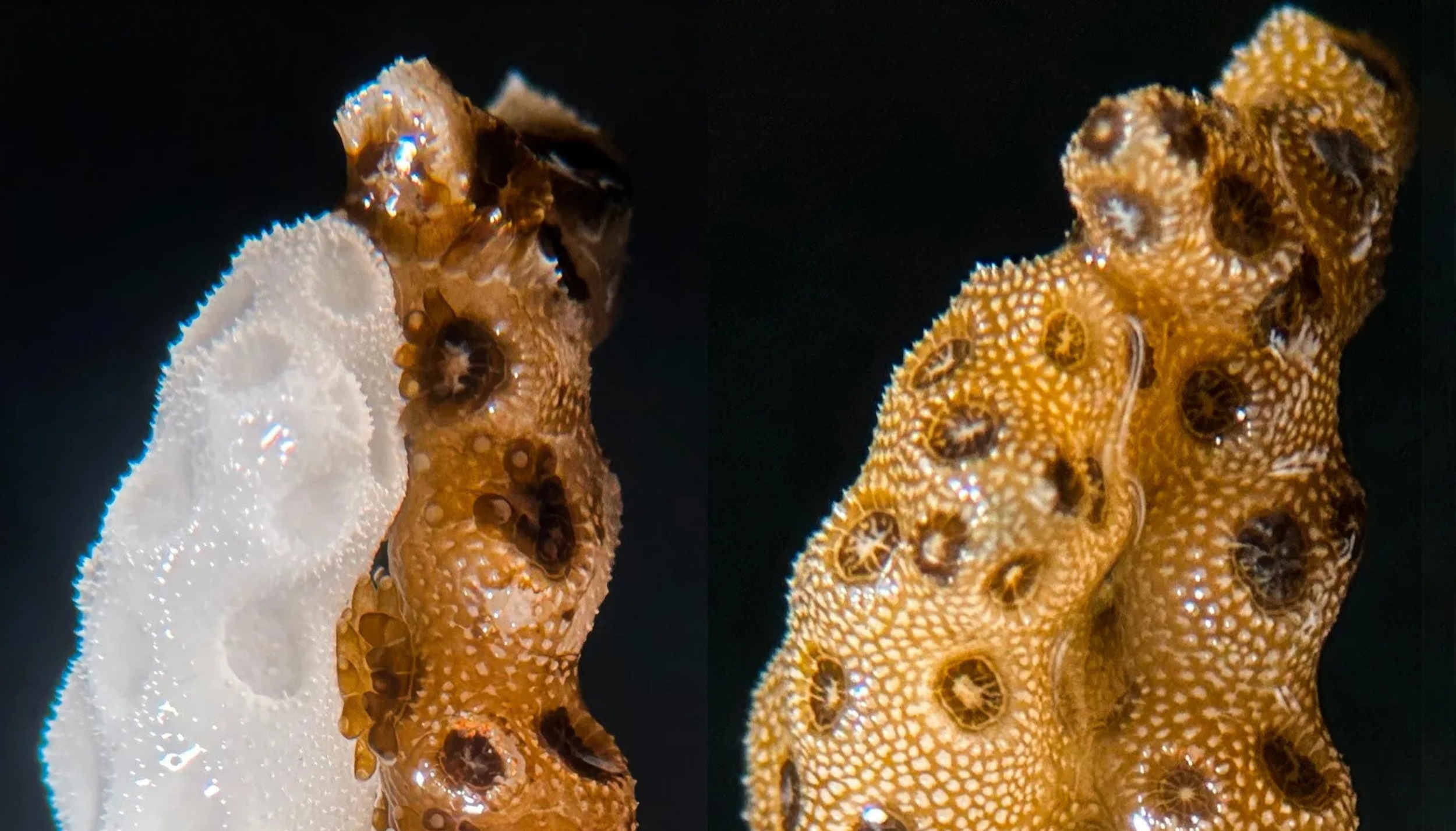
In what represents a sea-change in the fight against coral reef deterioration, scientists have found a way to reverse coral bleaching.
Coral reefs are built by tiny animals called polyps, which often live together in large colonies. Reef-building corals produce hard skeletons that, over generations, form sprawling underwater neighborhoods filled with crevices, tunnels and hiding places. These structures provide marine animals with places to find food, shelter and raise their young.
Much of this underwater life depends on a partnership between corals and microscopic algae living inside their tissues. The algae use sunlight to make food, sharing energy with their coral hosts and giving them much of their color. In return, the corals provide the algae with a protected place to live.
Coral bleaching occurs when sudden changes or stressors cause that partnership to break down. Stressed corals lose their algae, exposing the white skeleton beneath their transparent tissues.
Chief among the causes is rising ocean temperatures (that can additionally cause overexposure to sunlight due to high solar irradiance); global ocean temps are currently higher than once anticipated, including the massive El Nino event currently affecting global weather and heat patterns, with devastating consequences that are as yet not fully understood.
Industrial and agricultural runoff can also bleach corals. Without the algae, 'bleached' coral ecosystems are vulnerable, losing a major source of food and becoming susceptible to disease.
But for the first time ever, scientists have discovered a promising way to help some bleached corals recover. In laboratory experiments conducted at the Stanford Doerr School of Sustainability, researchers placed small bleached coral fragments against healthy, genetically identical fragments, called clones.
By simply 'touching' healthy clones, researchers observed coral tissues fusing together to create a living bridge through which beneficial algae and nutrients could pass. Once enough algae is reintroduced to the coral fragments, they multiple rapidly to restore the hosts energy supply.
In one experiment, a week of contact was enough for bleached fragments to continue recovering after being separated from their healthy partners. In other words, coral reefs are more resilient than once thought.
Why this news matters for all of us
Coral bleaching is a devastating consequence of pollution and warming oceans, as coral reefs support at least 25% of all marine species despite covering less than 1% of the ocean floor.
While this research has not yet resulted in a scalable solution that can bring back coral reefs en masse, it is a critical and incredible forward toward any possible solutions and a major leap in our understanding of both the resilience and healthy conditions of coral reefs.
Take Action
Become a Reef Helper
Scientists are exploring new ways to help damaged corals recover. Communities can help by protecting the conditions reefs need to thrive.
Where to begin
Give reefs a healthier future
-
Speak up for a healthier climate
Ask leaders to support cleaner energy and reduce the pollution that heats our planet and oceans.
-
Keep waterways clean
Support efforts to stop sewage, excess fertilizer and polluted runoff from reaching the sea.
-
Protect ocean neighborhoods
Support marine protected areas and fishing rules that help keep reef ecosystems healthy.
-
Explore carefully
When snorkeling or diving, give corals plenty of space. Keep hands and fins away, and choose boat operators who avoid anchoring on reefs.
-
Get involved close to home
Join a stream or beach cleanup, learn about your watershed, or share what you discover about coral reefs.
Join the science
Reef Check
Trains volunteer citizen scientists to survey tropical coral reefs and kelp forests, helping researchers track the health of these ecosystems.
Explore Reef CheckSupport community action
Coral Reef Alliance
Works with local communities to improve water quality, support sustainable fisheries and protect coral reefs.
Connect with Coral Reef AllianceFollow reef conditions
NOAA’s coral reef programs
Coral Reef Watch tracks heat stress and bleaching risk. The Coral Reef Conservation Program supports research, monitoring and reef management.
Protect public science
Speak up for NOAA’s reef conservation work.
The Trump administration’s fiscal year 2027 budget
request proposes eliminating NOAA’s Coral Reef
Conservation Program. Ask your members of Congress
to protect funding for coral research, monitoring
and conservation.